
The return of street circuits in MotoGP: From past circuits to the new Adelaide 2027 project


From the historic Isle of Man race circuit to the Adelaide 2027 race track, street circuit racing has always been a fan favourite in every motorsport. MotoGP has gone almost 40 years without one in the race calendar, but the city centre race tracks are set to make a comeback starting from 2027.
So let’ s take a journey through the iconic street circuits that have shaped MotoGP’s legacy. From the timeless layouts (whose origins are rooted in street circuits), to legendary venues that have been lost to history and the next generation of city centre racing.
The championship’s tradition of racing on public road circuits belonged to the 500cc era, which featured the majority of the street circuits races before the series transitioned to safer permanent circuit racing in the modern MotoGP era.
The popularity of these tracks was mainly associated with their difficulty, therefore they were an undeniable way of understanding what skills a racer had. By undertaking complex conditions and wild speeds, motorcycle racers put their expertise to the test weekend after weekend.
On a different level, it was also an all time fan favourite. Entire cities would make space for a motorsport event, shutting down roads and city centres. Motorbikes enthusiasts would fill the roads of their towns excited to see how fast the bikes would race.
Street circuits are not only part of an era characterised by wild motoracing, they are a founding part of today’s sport. Many current MotoGP circuits trace their origins back to road races.
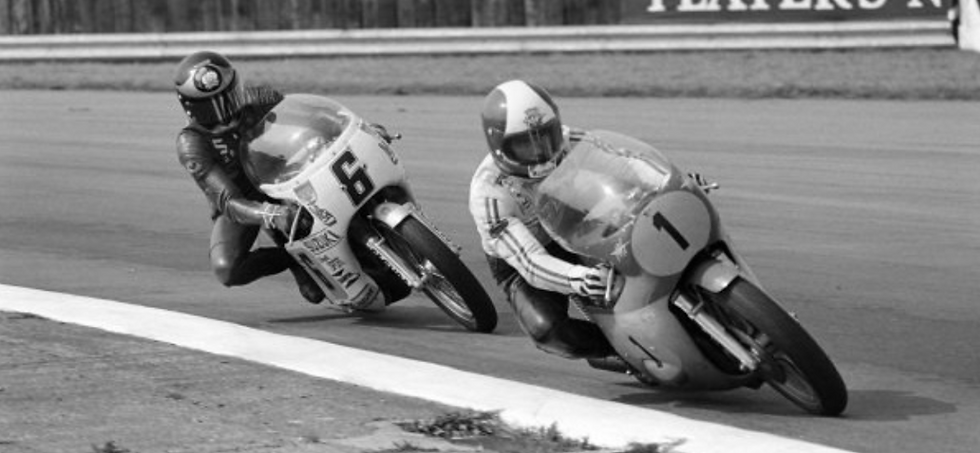
The Dutch Grand Prix dates back a century, it was only 1925 when the first Dutch TT race was held.
Back in the day, an unpaved and narrow 28.4 km track was organised between three cities very close to Assen: Rolde, Berger and Schoonloo. The race was one of a kind - harsh road conditions and extreme speed (of around 180km/h) captivated more than 10.000 spectators at the opening event.
The following year the organisers developed a new course around Assen, Hooghalen, Laaghalen and Laaghalerveen (also known as old Assen). It was around 17 km long, with a maximum speed of approximately 230 km/h. The main reason behind this change was the intention of making the track safer whilst trying to keep the difficulty of the previous one.
Against all odds the new layout didn’t succeed as much as the first one, therefore some changes were bound to be made.
Soon after in 1927, the Dutch TT gained international status through the participation of foreign riders. Such recognition established the Dutch TT as one of Europe's leading Tourist Trophy races. It allowed riders all around the world to race in the following events and made the race a permanent fixture in the international racing scene.
In 1949 a revolutionary change was made. A new permanent racing facility was built entirely on Assen territory, this is when the current layout was established.
The new circuit still held parts from the old circuit, such as the start-finish line on De Haar. It became a 7.7 km long circuit, with an extreme top speed of 270 km/h.
That same year the Fédération Internationale de Motocyclisme (FIM) created the official Motorcycle Grand Prix World Championship. Many races on the international calendar were given the world champion status, such as Assen. Marking the start of a legacy that continues to this day as the only track to be part of the MotoGP calendar since 1949.
As of recent years, the track has evolved alongside MotoGP’s safety regulations. Between the 1990’s and today, the track has been promptly shortened to 4.5 km, in order to make it as safe as possible. Although the many modifications the circuit has undergone in all these years, it still keeps its essence as a high-speed and technical track, becoming an all-time favourite for both fans and riders.
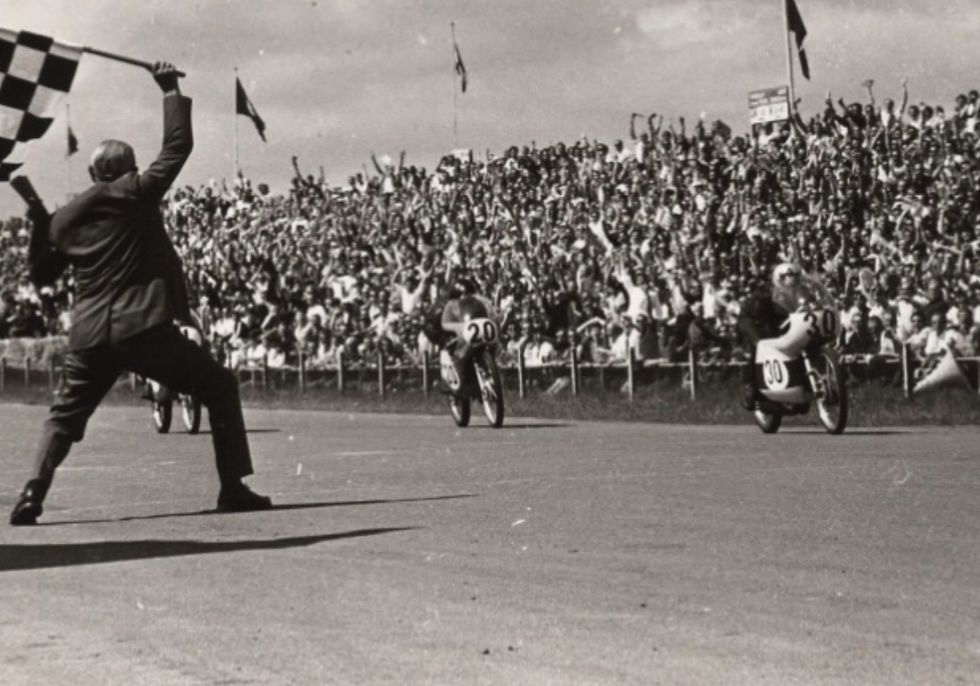
Some of the most iconic street circuits have been heavily modified throughout the years, some instead have been dropped from the world championship calendar.
The Isle of Man Tourist Trophy (Isle of Man TT) is considered the most extreme and dangerous motorcycle event ever held in the official World Championship calendar since its wild, untamable conditions are one of a kind. Situated in the middle of the Irish Sea - between Ireland and Great Britain - the island is home of a circuit that stretches from the seaside roads to the Rocky Mountains.
The first Tourist Trophy race was held in 1907 on the St. John’s Short Course, a 24 km circuit situated around the village of the same name, as the motorcycles of the time were not able to safely tackle the mountain track just yet.
In 1911 the event moved to the current Snaefell Mountain Course where multiple events are to this day held, a more demanding route for both riders and machinery. The new course was extended to 25 km, at a 320 km/h maximum speed and it included almost 200 turns which crossed villages, countryside and mountain roads.
In 1949 it became part of the official World Championship calendar up until 1976, welcoming some of the most important riders in MotoGP’s history such as Giacomo Agostini and Mike Hailwood.
Despite the great success of such a thrilling racing track, the intense conditions were a big part of the reason why the FIM revoked the venue’s world championship status. Between 1950 and 1972 many fatalities occurred on the circuit, to the point where in 1972 following Gilberto Parlotti’s death, the riders began to protest against the event.
The safety concerns surrounding the machinery’s technical developments that occurred in those years, further fueled the necessity of safer tracks. For this reason, since 1973 the Isle of Man has not hosted a MotoGP race.
As of today the Isle Of Man track has been cut out of the world championship calendar, but hasn’t stopped showcasing other motorcycle races. Every year the island hosts the Isle of Man TT, with the Snaefell Mountain Course welcoming riders across different categories such as Superbike, Sidecars, Superstock and Supersport.
As for the safety developments, many have been made across the years. All machinery is equipped with obligatory GPS tracking devices, digital LED flag panels are placed to control and slow down in case of emergency and, finally, barriers and protections are placed around the track to make it as safe as possible whilst preserving the intensity and uniqueness of the track.
The Isle of Man has been home to unforgettable moments, an undeniably one of a kind event.

Currently none of the MotoGP races are held on public street circuits. In 1981 the sport shifted entirely to permanent venues due to safety concerns. However the modern era of MotoGP will have a way of experiencing street racing.
As of 2027 the Australian Grand Prix is going to relocate from Phillip Island to Adelaide.
The circuit will measure 4.195 km and feature 17 turns. It is based on the historic F1 Adelaide Grand Prix layout, but with a few modifications made to make the track more suitable for modern motorcycle racing. The adjustments include the relocation of the pit lane and turns 7-8 replaced by a faster sequence.
The organisers are working around the track conditions to rule out any safety hazards present within the circuit. Some trees will have to be removed and in some areas the tarmac will have to be reapplied, but that’s the price to pay to assure maximum safety in a one of a kind experience like this one.
This race addition represents a revolutionary moment for MotoGP, as the new Australian Grand Prix will be the first street circuit in the modern era of motorcycle racing. It could open up the door for many different venues and therefore a new chapter of motoracing we can’t wait to explore

Adelaide has earned a reputation as one of F1's most challenging and dramatic tracks from 1989 to 1996. Many memories have been made on this circuit, from some of the most legendary drivers in motorsport history.
Will it be the same for MotoGP? We surely hope to share more iconic moments with the renowned Adelaide circuit for many years to come.

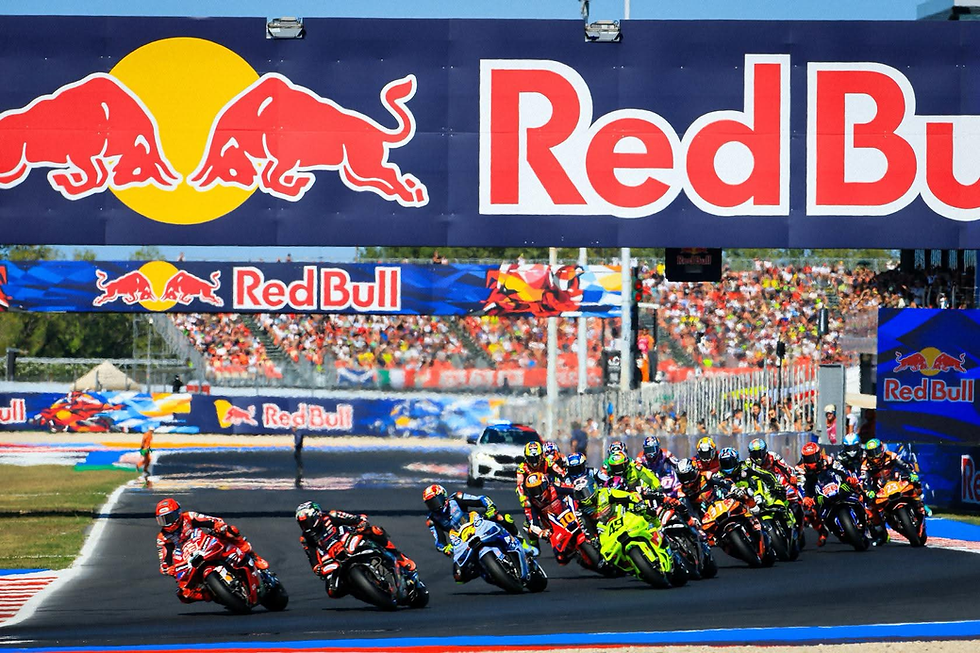


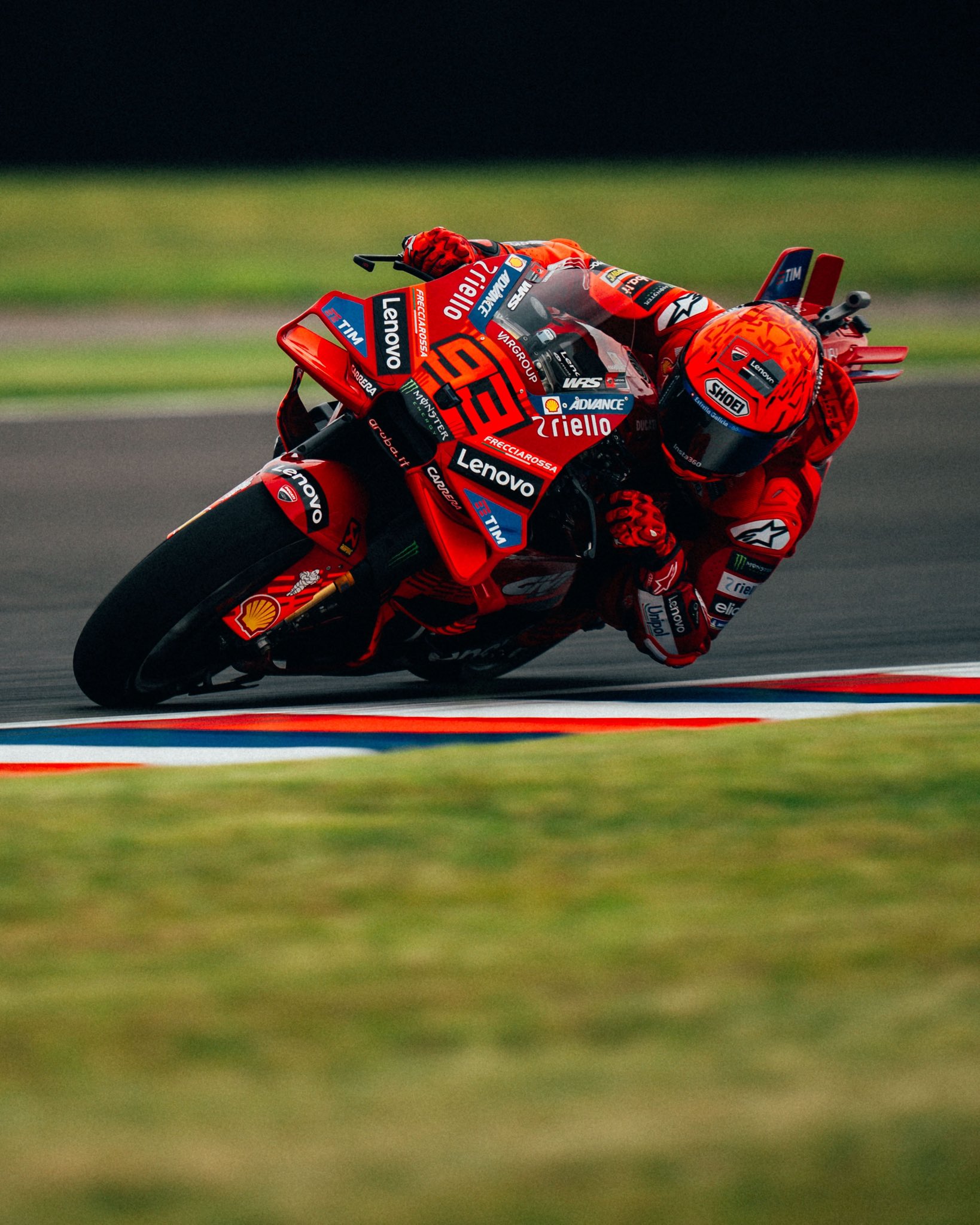
An interesting look at the return of street circuits in MotoGP and how historic venues can inspire future racing projects. Street circuits bring a unique atmosphere and challenge for riders, while also creating a strong connection between motorsport and the host city. The proposed Adelaide project sounds particularly exciting, and it will be fascinating to see how the concept develops and whether it can successfully combine the spectacle of MotoGP with the demands of a modern racing circuit. International Students In Australia
This was a fascinating look at how MotoGP evolved from public-road racing to purpose-built circuits. While street circuits create an incredible atmosphere and unforgettable racing, it's easy to see why safety became the priority as bikes became faster. It'll be interesting to see whether the Adelaide 2027 project can capture the excitement of classic street racing while meeting today's much higher safety standards.
When I'm taking a break between reading motorsport articles, I like challenging myself with a advanced Block Blast solver. It's a fun way to switch gears and keep the mind active.
Street circuits have always given motorcycle racing a unique atmosphere because they bring the sport directly into cities and communities. While classics like the Isle of Man TT became legendary for their challenge, modern MotoGP has understandably prioritized permanent circuits due to significantly higher safety standards. It'll be interesting to see how the proposed Adelaide 2027 project balances the excitement of a city-center layout with today's strict safety requirements for riders and spectators.
Whenever I'm taking a break from following motorsport news, I usually check the blox fruits trading guide to stay updated on current trade values and avoid unfair trades.