
F1 drivers give critiques of the 2026 regulations after Australian Grand Prix
- Maham Mir

- Mar 12
- 5 min read
Written by Maham Mir, Edited by Marit Everett

The 2026 Formula One regulations are perhaps the most dramatic technical overhaul that the sport has ever seen. From the chassis to the engine design, all 11 teams on the grid are adapting to unprecedented and wide-scale change.
Fans have seemingly embraced the new regulations given the overarching commitment to better racing. In the 2026 Australian Grand Prix, this was something evidenced by the fact that while the 2025 race had 45 overtakes, the 2026 race had 120 overtakes.
However, while fans remain generally optimistic about the potential in these regulations, the drivers are not so happy with the changes they’re being forced to adapt to. Many drivers, including reigning world champion Lando Norris and four time former world champion Max Verstappen, have made their criticisms heard in the wake of the season opener.

Verstappen’s criticism, which the media has been aware of since pre-season testing, originally stemmed from the idea that this generation of cars were “Formula E on steroids”. Backing this up, he also stated that they felt like “anti-racing” based on what he had driven in the simulator from as early as 2023.
After the Australian Grand Prix, the Dutch driver doubled down on his criticisms. After an unfortunate crash in qualifying which saw him take to the grid in P20 but ultimately finish in P6 for the race, Verstappen said that driving these cars “emotionally and in terms of feeling, it’s completely empty”.
Reigning world champion Norris, although more positive during the winter testing period, made comments to support Verstappen after the first race of the season had concluded. The British driver stated that it feels like F1 has “gone from the best cars ever to probably the worst”.
Although criticism of the regulations from the driver’s perspectives is entirely valid, it is important to remember that for Norris and Verstappen who were successful during the ground-effects era, the overhaul is perhaps a step too far. Especially when considering that their respective teams, McLaren and Red Bull, seem as though they cannot fight at the front just yet, their harsher critiques can be seen in a different light.

But it’s not just those who were successful under the previous regulations who are finding this new generation of cars lacking. Charles Leclerc, a possible championship hopeful in 2026, also expressed his dissatisfaction with the new cars after racing at Albert Park.
The Monegasque driver, who finished 15.519s off the race leader George Russell, reserved from giving incredibly harsh criticism but did mention that these new cars are “not the most fun cars to drive”. From a driver’s perspective, alluding to the greater emphasis on strategy in this new era, he also mentioned that “it will definitely change the way we [the drivers] go about racing and overtaking”.
The increased ownership on the drivers to decide when to overtake and when to conserve battery has been a central part of these new regulations. With this new form of decision making, the relationship between drivers and their race engineers has perhaps never been more important, evidenced by Leclerc and his race engineer Bryan Bozzi’s communications throughout the weekend.
Lewis Hamilton initially doubled down on the comments made by his fellow world champions Verstappen and Norris. Hamilton and Verstappen battled for the 2021 World Driver’s Championship title prior to the introduction of the ground-effect cars, the previous generation of machinery. Having struggled during the ground-effect era, the majority of which he spent at his previous team, there is little surprise that Hamilton does not miss the previous cars all that much.

Although Hamilton noted that the new cars were “completely against what Formula One is about” prior to the race, the speed and success of the SF-26 during the race itself seemed to have changed his mind. After the Grand Prix, Hamilton conceded that “it was a really fun race and it felt good”.
For the midfield teams, the new regulations have meant that the fight for ‘best of the rest’ has become that much tougher. Both Haas drivers, Oliver Bearman and Esteban Ocon, have also made their stances on the new regulations clear. With Bearman scoring points in the season opener and Ocon not far off the pace in P11, the American outfit are strong contenders for ‘best of the rest’.
Ocon supported Norris’s comments, noting that “it feels very artificial in the way you have to drive”. Bearman supported Verstappen’s comments that the new engine breakdown with its increased reliance on electrical power meant that the drivers were “not racing”.

Even further down the grid, where the stakes aren’t as high and regular contention for podiums, race wins and championship bids aren’t a guarantee, Lance Stroll also expressed his dissatisfaction with the cars. Stroll, who races for Aston Martin who are having an exceedingly difficult start to the season, said he hoped the priorities for the cars would be “to have some cars that sound good, a little bit less complicated, and [...] normal, good racing”.
Veteran driver Sergio Pérez who returns to the grid after a year’s break gave the experienced driver’s perspective on the new set of regulations. Having made his F1 debut in 2011 and raced as a part of six different teams over the course of his career, the Mexican driver has been witness to many technical advancements in the sport but these latest changes are not something he is impressed by.
Speaking after the end of the Australian Grand Prix, he stated: “It’s a very different F1 to what I was used to, it’s a lot less fun definitely. It’s not as fun as it used to be on the racing side, not great to be honest.”

It is little surprise that the only driver who seems to publicly support the new regulations is the new championship leader, Russell. As a response to critiques shared by the other drivers on the grid, the British driver identified that “you can’t have it all, and I think we should just give it a chance and see after a few more races”.
Despite the vocal and almost overwhelming criticism of these new regulations by the drivers, there’s still so much to be learnt about these new cars and how they adapt to new tracks is at the top of that list. Albert Park is one of the more unique tracks on the F1 calendar, entirely different to Shanghai where F1 is heading next.
Whether the racing will change as the teams continue to learn about their cars and engines remains to be seen but for the moment, it seems that a lot has to be done to change a majority of the grid’s minds about these new cars.


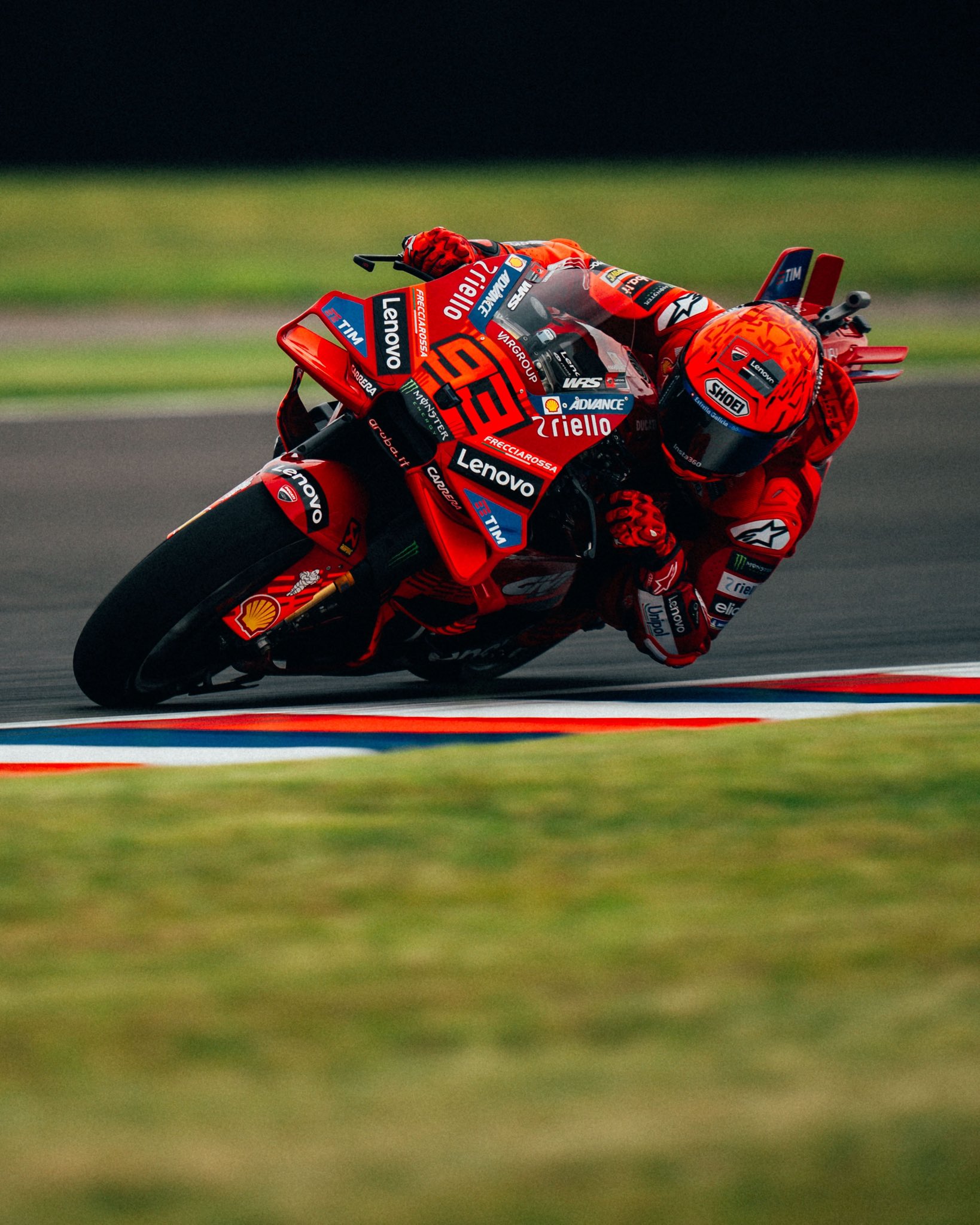



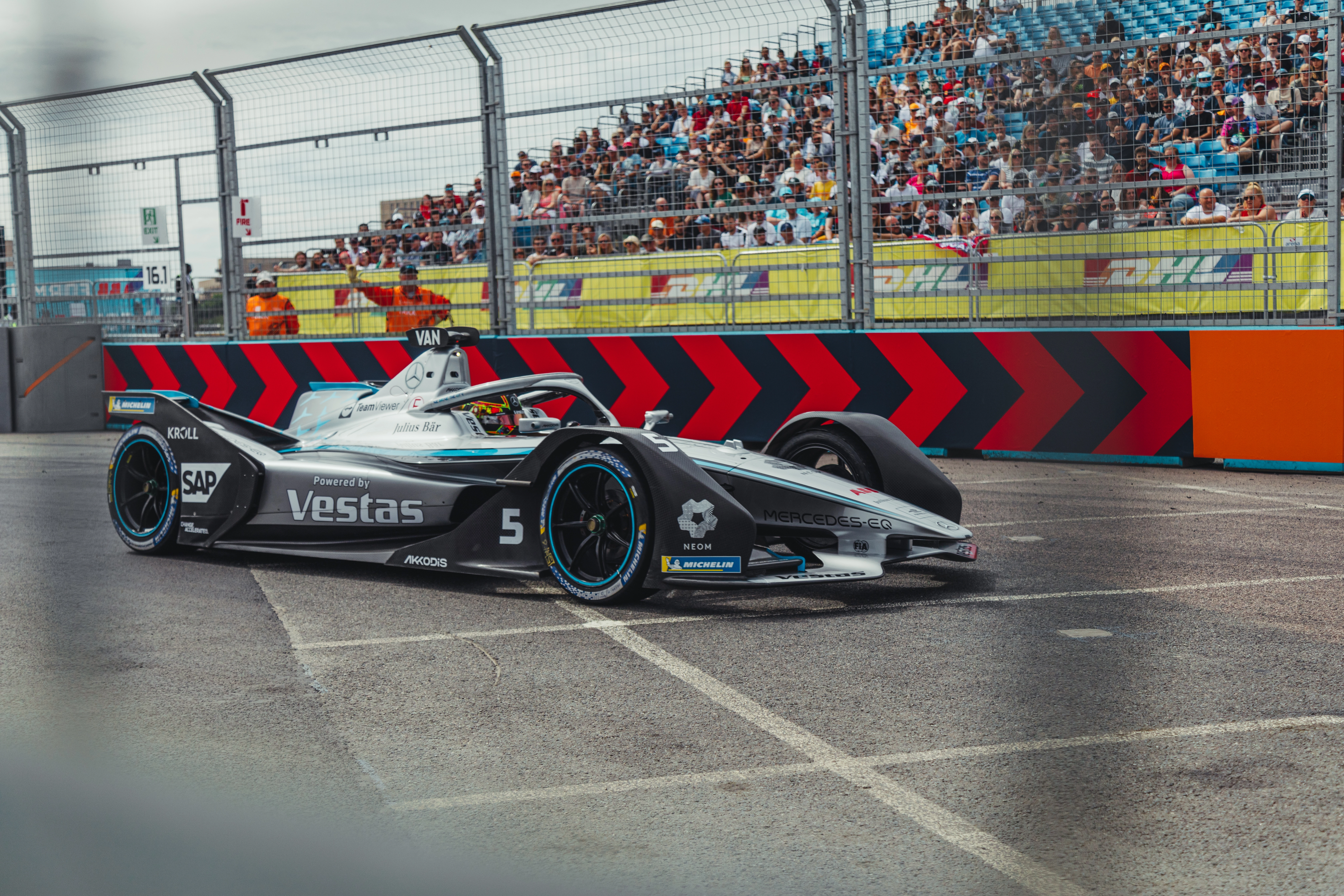

While the regulations were intended to improve efficiency and Word hurdle sustainability, several drivers argued that they have negatively affected the racing experience.
Interesting insights from the drivers it’s always valuable to hear firsthand feedback on new regulations, especially when it comes to how they affect racing dynamics and strategy in real conditions. продолжение фото нейросеть
One of the best things about Drift Boss is how easy it is to access. You can play it instantly in your browser—no downloads, no installations.