
Have F1’s 2026 regulations damaged the sport? Our writers weigh in


The 2026 Formula One regulatory overhaul has sparked plenty of discussion amongst both fans and the entire paddock, remaining a heated topic of conversation across the opening rounds, with some feeling that the DNA of the sport has been compromised and others enjoying the action-packed races regardless of the energy deployment-aided overtakes.
Our writers give their thoughts on this contentious matter, discussing whether the sport has become inauthentic or not, and what areas the new regulations need to improve upon over the course of not only this season, but this completely new era of F1.
Maham Mir: I don’t think these new regulations have damaged the sport in the way that people, drivers included, were worrying about. Although racing isn’t what it used to be, it finally feels like the promises that were made before the ground-effects era have been carried out. For the first time in a while, the cars are actually capable of closely following each other and are able to race wheel-to-wheel as Charles Leclerc and Lewis Hamilton have demonstrated on a number of occasions already.
That being said, there’s no doubt that changes have to be made for a number of reasons.
Perhaps most importantly, adjustments have to be made to ensure driver safety. Otherwise, incidents like Oliver Bearman’s crash in Suzuka is the first accident resulting directly from these regulations but it might not be the last.
Moreover, if Formula One is the pinnacle of motorsport then qualifying is the chance to see these cars at the top of their game and the drivers are clearly suffering there. No longer able to get to the speeds or consistency they’re used to, the FIA has to find a solution to this other glaring issue.
Jason Sharp: Regulation changes often start with teething problems. We need only to look at 2014 and 2022 to prove that. In most cases, the cars take a step backwards and evolve after a couple of seasons.
This overhaul, however — the biggest in F1 history — is worse because the concept is fundamentally flawed. The entire philosophy of racing has been manipulated, and I do believe this has damaged the sport.
Don’t get me wrong, there are aspects of the new regulations that I do love. I think active aero is an innovation that should be utilised, and having smaller cars is just common sense. But seeing drivers having to slow down in Q3, or having their efforts wasted by clipping on the straights is shambolic.
What is the incentive to risk it all if their efforts are to be completely wasted on the straights?

As with all changes in F1, there will be fast evolution and refinements; I’m confident that the battery technology will improve and that the energy saving will become less drastic. I can deal with artificial racing, but we need to see the world's best drivers pushing to the limit.
But in the meantime, we’re stuck with a formula that has proved to be dangerous, that the drivers are vocally opposed to and that the TV coverage is reluctant to show onboards of to avoid the depressing reality.
Chloe Buckley: Since the introduction of the new F1 regulations this year, I’ve had some mixed opinions on the direction the sport has taken. On one hand, they represent a bold and forward-thinking step in terms of sustainability. With emphasis on sustainable fuels and a hybrid power unit that incorporates more reliance on electrical energy, the changes highlight F1’s position as a leader in technological innovation within global motorsport.
On the contrary, there have been concerns on the driver safety side of things. Bearman’s accident in Japan was a direct consequence of the significant differences in closing speeds caused by energy depletion. Witnessing such a severe crash only three races into the season suggests that further evaluation and adjustments are immediately necessary for driver safety.

Furthermore, the issue of super clipping on straights has created what feels like artificial overtaking opportunities. Whilst it’s great to see more wheel-to-wheel action, running out of electrical energy can detract from the authenticity of the racing.
Overall, I don’t believe the new regulations have damaged the sport. It’s encouraging to see the sport is evolving and the regulations present a progressive vision for F1. However, refining the safety aspects of these regulations is vital to ensuring their success.
Caitlyn Gordon: I haven’t been the biggest fan of the new regulations due to the inorganic racing action that is now present.
Qualifying used to be one of my favourite parts of the weekend, getting to witness the drivers push to the absolute limit trying to secure pole. However, since the regulations have changed, that exciting aspect has disappeared due to the demand for energy management, meaning the drivers can’t reach those speeds.
However, I'll admit it has been entertaining to watch so many overtakes during the first quarter of the race. Statistics released showed Australia only had 45 overtakes in 2025, but in 2026 there were 120. This is a huge difference, one of which has meant the beginning of the race is really entertaining, but the compromise is that the action fizzles out by the mid-point of the race and potentially picks up during the final laps as seen in the opening rounds we’ve had.
I understand it’s early days as there have only been three races, but the negativity the majority of drivers are expressing about the changes is worrying. After Bearman suffered a 50G crash due to differences in deployment strategy, Carlos Sainz bluntly stated “this kind of accident was always going to happen”.

After strong criticism, the FIA announced they would be discussing potentially making amendments to the regulations, which provides some hope that some of the major issues can be fixed. The earliest we may see these tweaks could be Miami in May, which could hopefully change the racing philosophy of this era of F1.
It’s too soon to say how significantly the new regulations have damaged the sport, but so far, the negatives outweigh the positives for me. However, the adjustments the FIA might make to the regulations is a good sign and will hopefully bring back the spark that F1 has been missing in 2026.


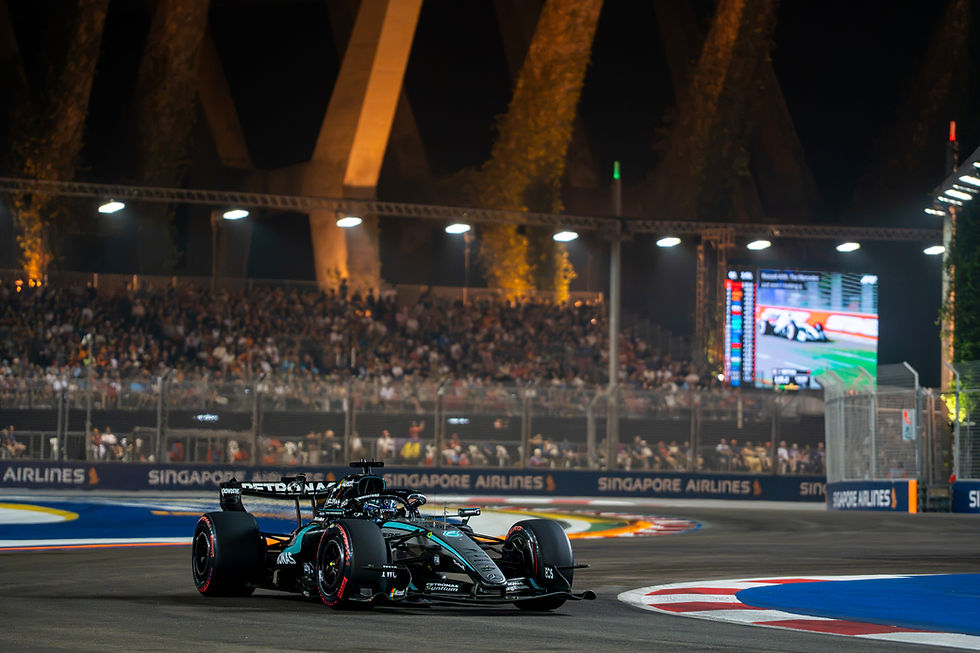

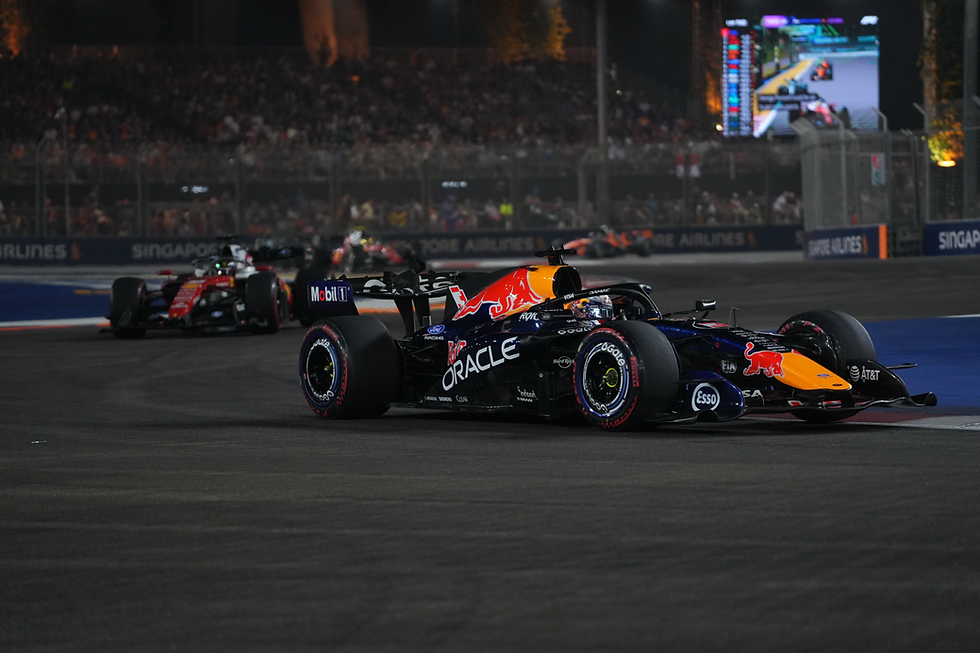

Bearman’s crash is the part I can’t get past, because closer racing is not worth huge closing-speed traps on the straights. I’m not against active aero or the smaller cars, but qualifying feeling like a battery-management exercise is definately the wrong look for F1. It also feels odd seeing serious safety concerns discussed while random sidebar stuff like https://fortunegemsslot.com/ sits nearby, because it makes the whole presentation feel a bit cluttered. If the FIA can smooth out deployment and make the cars push properly again, this era might still settle into something decent.
escape road is an excellent example of the "easy to play, hard to master" philosophy. anyone can drive, but few can survive the 5-star police heat.
I live in the UK and follow a simple approach for myself: I always set a clear budget and a specific time limit in advance, which helps me stay in control and avoid overdoing it. This way, I know exactly when to stop and don’t get carried away. I also make sure to take regular breaks and only use such platforms when I’m in the right mood and feel relaxed. If I’m tired or distracted, I simply skip it. Overall, https://www.embassyofisrael.co.uk/ I treat it as a light form of entertainment rather than anything serious or a way to make money, which makes the whole experience feel more balanced, calm, and comfortable for me.👍