
Stoner’s 2007: The Ducati dream nobody saw coming

Written by Aaratrika Gupta, Edited by Dhara Dave

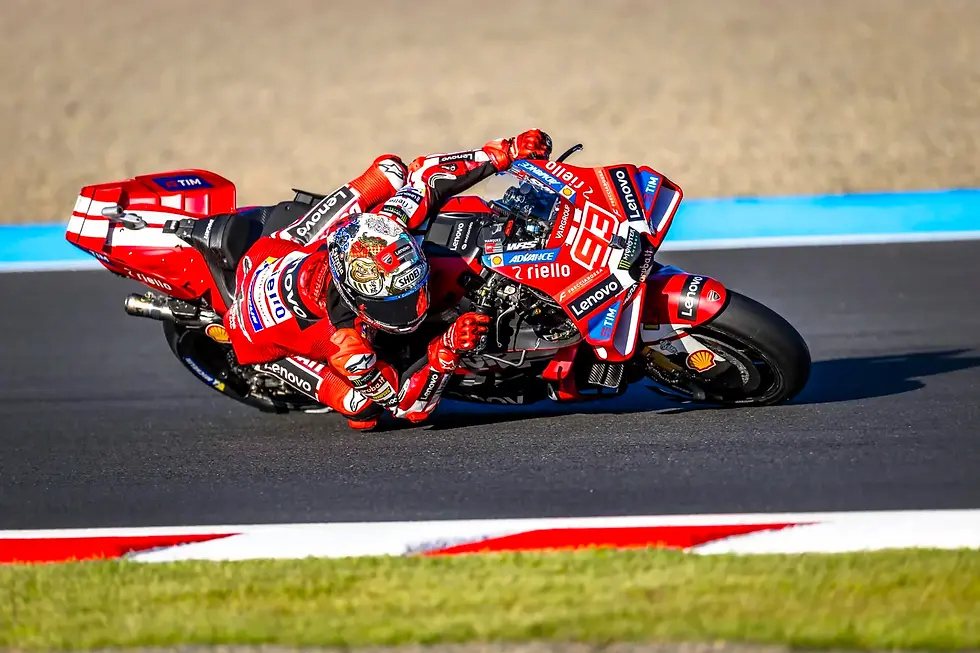
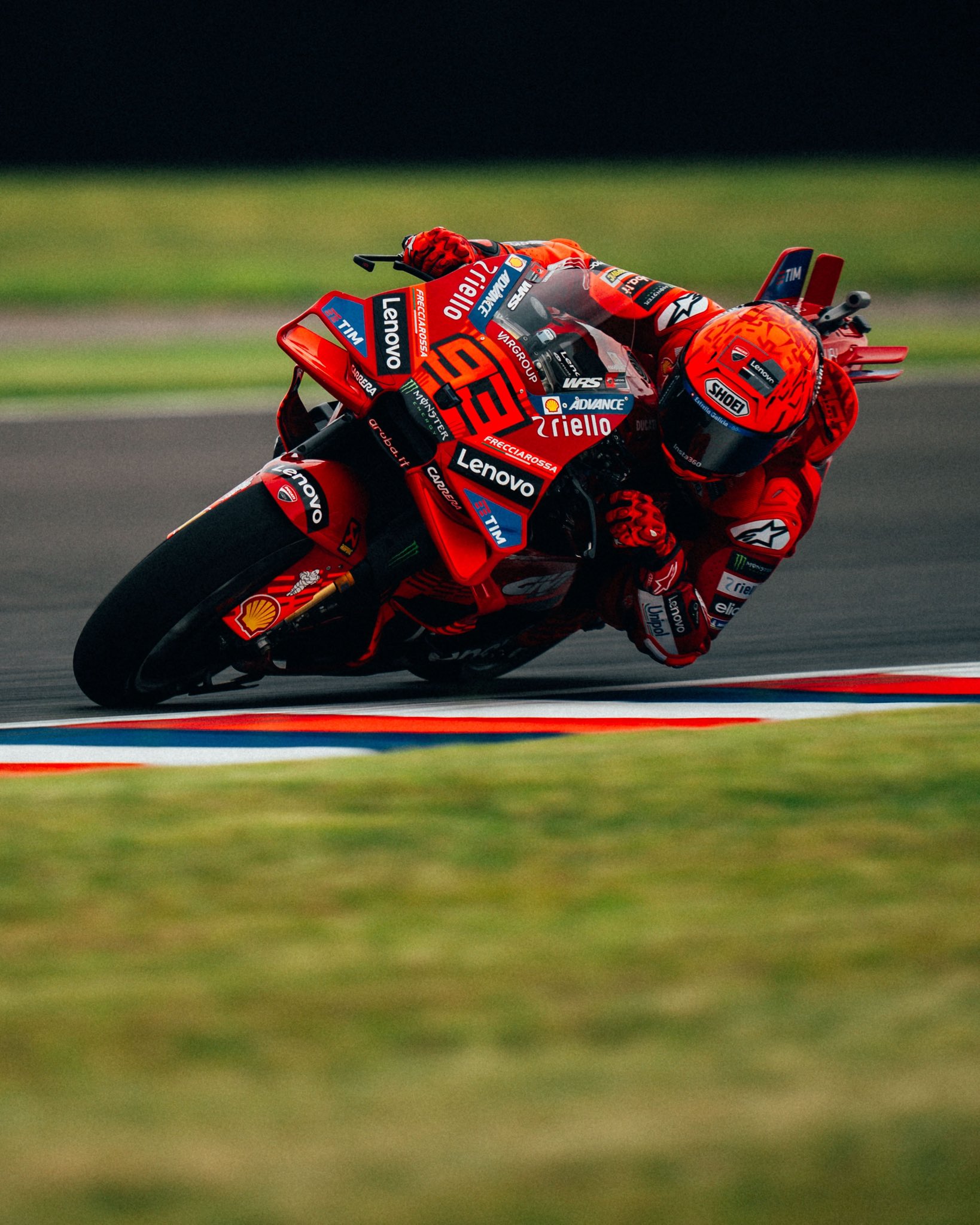
In the year 2007, Casey Stoner and Ducati Desmosedici GP07 shocked the world of MotoGP. An Australian of 21 years and an Italian manufacturer that had historically been shadowed by the Japanese giants dominated the season in a manner that was not expected by many.
Having won 10 of the 18 races, an amazing 125-point gap between himself and his closest competitor, and a Constructors Championship to Ducati, 2007 was one of the most spectacular underdog-to-champion stories of the sport, and one that many are willing to cherish as a legend.
A bold move: From rookie to rockstar
Stoner made his MotoGP debut in 2006 aboard a Honda with LCR, showing flashes of raw talent but struggling with consistency. At the end of that season, he made a bold move: joining Ducati, a manufacturer that had good potential but had never claimed the premier class crown. Few experts or fans expected him to challenge for the title in 2007.
What changed everything was the combination of Stoner’s fearless riding style, the radical potential of Ducati’s GP07 and the correct tyre supplier. Running on Bridgestone rubber with Ducati, Stoner and team unlocked a package that nobody else could match that season.
The dominance unfolds
The season began with a bold statement. At the opening round in Qatar, Stoner claimed his first win on the GP07. He led from the start, battled a former world champion on a different bike, and surged ahead — even setting the fastest lap on the final lap. It was a clear warning shot - Ducati was back.
From that point onward, Stoner rarely looked back. Race after race, he exploited the GP07’s strengths, brutal acceleration, strong straight-line speed, and confidence under braking, even when the bike remained notoriously difficult to handle in slower corners. His control and nerves under pressure turned what many considered a wild, unbalanced machine into a weapon.
By mid-season, the tally of victories piled up. Every win narrowed the gap to his rivals' expectations. In races like Catalunya, Stoner narrowly beat established stars, showcasing his ability not only to harness raw speed but to engage in tight, tactical duels and come out on top.
When the final flag fell in Japan’s Motegi GP, Stoner had done enough. A sensible ride to 6th place secured the championship for him and delivered Ducati its first premier-class world title, breaking decades of Japanese dominance and rewriting MotoGP history.
The bike behind the legend — GP07’s brutal grace

The 2007 Desmosedici GP07 was far from perfect. In Stoner’s own words, the bike “wasn’t really good at anything.” Turning corners was a challenge. Braking was stable but lacked the comfort and finesse of lighter machines. But when it came to everything else, mid and top-end punch, stability under heavy braking, and sheer speed on the straights, the GP07 had a torrent of power that only a handful could tame.
That made 2007 not just a championship, but a statement: Ducati had built a race bike capable of competing toe-to-toe with the best from Honda and Yamaha, provided it had the right rider. The synergy between Stoner and GP07 proved perfect. The moment a track had long straights or stable braking zones, the bike’s advantages became brutally clear.
It was this risk-reward balance where victory required mastering instability that turned every win into a dramatic achievement and cemented the year's legacy.
More than a title — A cultural shift
Stoner’s charge in 2007 did more than lift trophies. It broke myths. For the first time in over thirty years, a non-Japanese manufacturer claimed the premier class crown; Ducati became a symbol of turning underdog status into dominance. For Ducati fans (the “Ducatisti”), 2007 wasn’t just a good season; it was a vindication. For MotoGP at large, it shook assumptions about which manufacturers could win, and underlined how crucial the rider-machine-tyre equation had become.
Stoner’s aggressive yet calculated style, pushing the limits but often staying just on the edge of control, inspired a new generation and forced rivals to adapt. Bridgestone’s success with Ducati that year also underscored how tyre choice could make or break a campaign.
Looking back — The dream that defined an era

Almost two decades later, 2007 still resonates. Watching retrospective laps of that season shows contrasting strokes, the sheer power of the GP07, the grit in Stoner’s riding, and the unforgiving unpredictability of a racing bike still in its rawest form. Every corner carried risk, every straight wave of acceleration was a gamble. When it worked, it produced glory.
But 2007 was more than raw speed; it was a story of perfect alignment, rider, machine, and team strategy converging at just the right moment. The result: ten wins, a title by a landslide, and a once-unlikely manufacturer etched into MotoGP’s top tier.
Stoner 2007 has become a standard for both old and new fans alike. It reminds us of a time when bikes were monsters, riders were gladiators, and a victory was like a conquest. It was not merely a championship; the Ducati dream of 2007 was a revelation.






Comments