
F1 2026 key technical terms explained: Overtake Mode, Straight Mode, Recharge and more

The 2026 F1 season is officially underway, and with new regulations come new technical terms to understand. Here's a breakdown of all the key vocabulary you'll hear throughout the season that marks the beginning of a fresh era for F1.

After a busy off-season with teams having a quick turnaround ahead of the regulations overhaul, Formula One is back on track for the 2026 season — and things have never been more unpredictable in this already mercurial sport.
As a new era of regulations rolls in, it’s not just the formulae that are being rewritten, but also the jargon that comes with one of the most sweeping technical changes in F1’s storied history.
But what makes this change of regulations the biggest the sport has seen? That comes down to the fact that this year, both the chassis with its aero elements and the power unit are being restructured.
The cars are now slimmer and lighter, in an effort to promote better wheel-to-wheel racing, while the smaller proportions also impact grip given the narrower tyres (the front set lesser in width by 25mm narrower and the rears by 30mm).
Combined with the more compact cars, the power units see dramatic changes beginning this year, the key element being the 50:50 power split between petrol and electric power. Most importantly, the MGU-H has been entirely scrapped from the current generation of cars, adding to their lighter weight and improved agility.
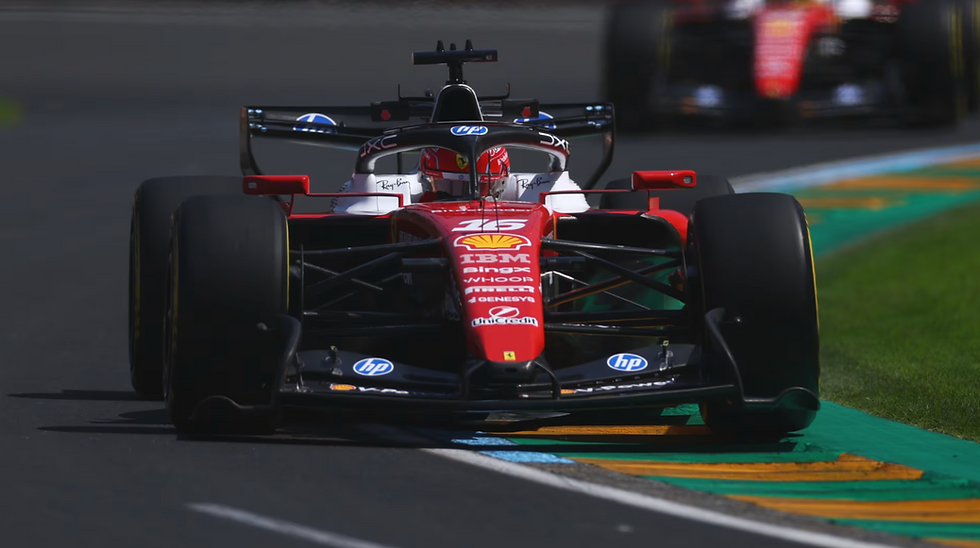
The new power unit configuration also sees the introduction of terms such as Recharge and Boost, just a few examples of the host of new vocabulary entering our conversations of the sport.
Whether you’re an F1 beginner or a seasoned veteran of following the sport, here’s a breakdown of all the key terms you need to know to keep up with the season that marks the dawn of a new age for F1.
Active Aero: Straight Mode and Corner Mode
Perhaps the most immediately noticeable change in cars this year is the integration of Active Aero elements, or aerodynamic mechanisms that allow more precise control of the front and rear wings in particular.
This generation of cars are no longer based on the principle of the Venturi tunnel effect, which was the cornerstone of the ground effect era of cars. With this technique completely eliminated from the new regulations, drivers now have more direct control of aerodynamic devices that allow the angle of their front and rear wings to flex.
Essentially, drivers will be able to manually ‘open’ or ‘close’ the flaps on the wings which will ground the car with downforce or decrease drag to increase speed respectively.
Through corners, the flaps will remain closed, while on straights, drivers can open them manually — Corner Mode and Straight Mode respectively.
The simplification of the aerodynamic package and the subsequent removal of the Drag Reduction System (DRS) is projected to make it easier for cars to tail each other and reduce the effect of dirty air.
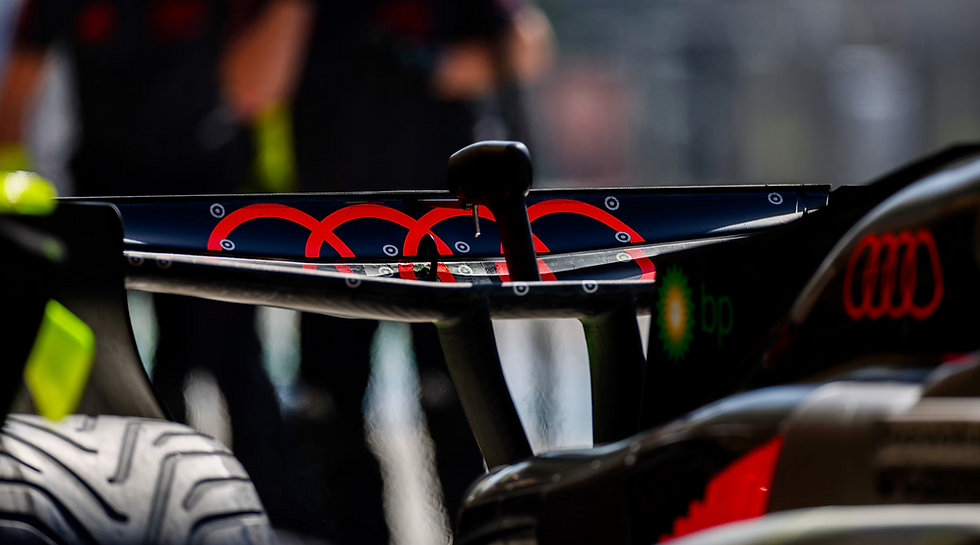
The crucial difference between the new Active Aero modes and DRS is that Active Aero — more specifically Straight Mode — can be deployed at any time during the race through the designated zones, unlike DRS which required cars to be within a second of each other to be activated.
For the Australian Grand Prix, there will be five designated Straight Mode zones across Albert Park: the first between Turns 2 and 3, followed by between Turns 5 and 6, then down through Turns 8 and 9, Turns 10 and 11 and finally along the start-finish straight.
Boost Button / Boost Mode
Boost Mode is a setting that reconfigures the battery settings to help attack cars ahead or even defend a position, and can evidently be triggered with the Boost Button.
While in recent years drivers have been able to change battery settings, in 2026, this will formally be known as Boost Mode and can be finetuned by the respective teams according to their set-ups.
This ‘boost’ in energy deployment comes from harvesting energy during braking.
Boost Mode can be used by drivers at any point they see fit during a lap, whether that’s to attack, defend or chase lap times.
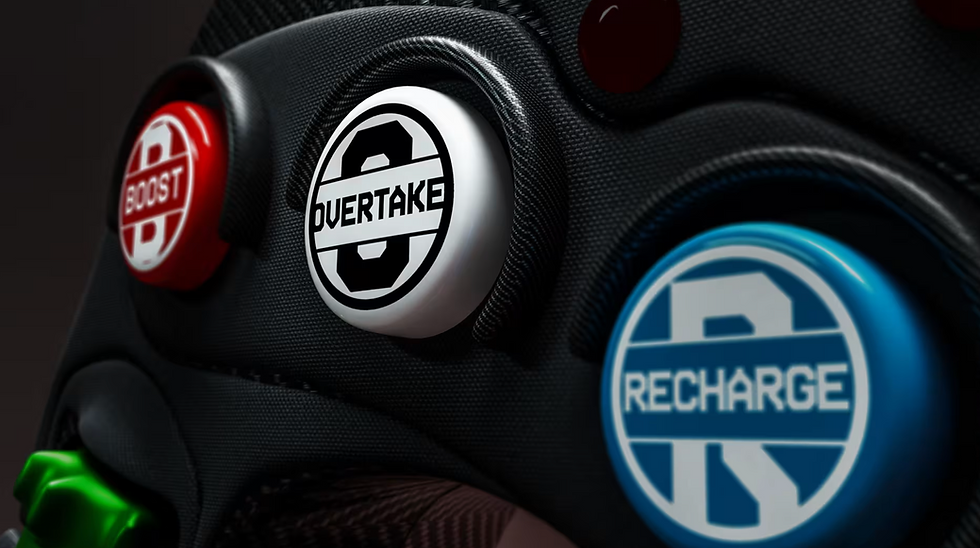
Overtake Mode
This is the closest mechanism we have to DRS in this new cycle of regulations, and much like DRS, it acts as a tool for drivers to generate extra battery power to aid overtaking.
Overtake Mode requires drivers to be within a second of the car ahead at dedicated detection points (expected to be on the final corner before long straights) and allows them to maintain higher speed with the extra electrical power.
This mode is projected to increase overtaking capacity across the grid, and since it requires strategic deployment, should provide interesting tactics during battles for positions.
Recharge
With the 50:50 power unit split between petrol and battery, Recharge will be one of the most crucial aspects of racing under the new regulations.
Simply put, Recharge refers to drivers recharging their car's battery with harvested energy recovered throughout the lap. There are a number of ways this energy can be recovered, including Li-Co (Lift-and-Coast), the engine clipping at full throttle (also called super-clipping) or under braking.
Due to the power unit split, recovering energy will become even more important than in previous seasons in an attempt to gain better lap times, even though it seems counterintuitive to the craft of racing perfected by drivers over the years.
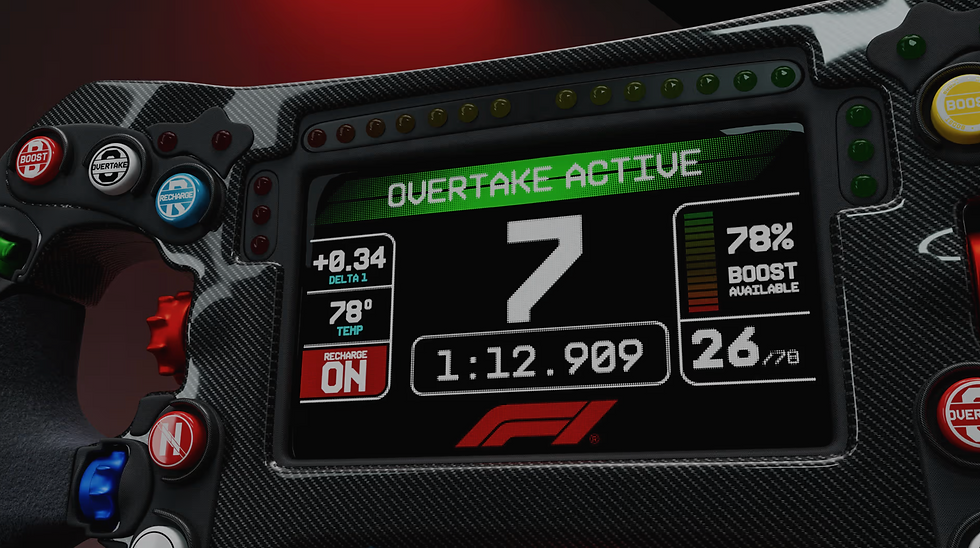
Just like with the Overtake Mode, Recharge requires strategic utilisation and while most of its use is automated through teams’ various set-ups, drivers can still have control over it through Li-Co or super-clipping.
The difference between these two options is that using Li-Co will deactivate any use of Active Aero, while since super-clipping occurs at full throttle, Straight Mode can still be engaged.
With a variety of strategic ways to gain lap time, attack cars ahead, defend positions and harvest battery power throughout a lap, the 2026 regulations all boil down to calculated speed.







Hello there! Another Indian player here sharing a small experience. I originally heard about this place from a Telegram gaming group where people discuss strategies and random wins. Someone dropped a screenshot and mentioned winwin online, so I checked it during a long bus ride. The ride was boring, but the games kept me occupied. I didn’t win much that day, yet I liked how smooth the interface felt on my phone. A week later I tried again and had a lucky streak on a slot that finally paid back my earlier losses.