
Have the 2026 F1 regulations become a cause for concern?

The Federation Internationale de l’Automobile (FIA) released a statement regarding the 2026 regulations following Oliver Bearman’s high-speed crash in the Japanese Grand Prix. The incident has sparked concern over the already controversial changes made to the power units.

The introduction of the 2026 regulations changed several things about the new cars. While the cars are smaller and lighter, the most significant change lies in reworked power units and reliance on hybrid energy. Sustainability has been prioritised, but this has come with a more complex approach to energy deployment.
This past weekend in Japan, we saw a shift in attitude towards these rule changes following an incident involving Bearman. It is the first time we’ve seen the risks that these changes may introduce in a racing environment.
On Lap 22 in Japan, Bearman was running in 18th place behind Franco Colapinto. As Bearman gained speed on the lead up to Spoon Curve, he lost control of the car at almost 162 mph (262 kph) and hit into the barriers at a 50g impact, bringing out the Safety Car.
After exiting the car, we saw that Bearman was visibly unstable on his feet. He was checked over at the medical centre where he walked away with a knee contusion, but thankfully no fractures or other major injuries.
This incident has intensified scrutiny on the 2026 energy management regulations, particularly the issue of inconsistent closing speeds between cars depending on battery deployment.

The FIA released the following statement after the race in regards to the regulations and potential adjustments that could be made to them after reviews in April.
“Since their introduction, the 2026 regulations have been subject of ongoing discussions between the FIA, Teams, Power Unit Manufacturers, Drivers and FOM. By design, these regulations include a number of adjustable parameters, particularly in relation to energy management, which allow for optimisation based on real-world data.
“It has been the consistent position of all stakeholders that a structured review would take place after the opening phase of the season, to allow sufficient data to be gathered and analysed. A number of meetings are therefore scheduled in April to assess the operation of the new regulations and to determine whether any refinements are required.
“Any potential adjustments, particularly related to energy management, require careful simulation and detailed analysis. The FIA will continue to work in close and constructive collaboration with all stakeholders to ensure the best possible outcome for the sport and safety will always remain a core element of the FIA’s mission. At this stage, any speculation regarding the nature of potential changes would be premature. Further updates will be communicated in due course.”
Under the previous regulations, energy delivery was far more consistent, with less reliance on the electrical deployment. In 2026, a completely new hybrid power unit was introduced. It features a 50/50 power split between the internal combustion engine and the battery which places a greater emphasis on how and when energy is used.
This has effectively turned energy management into a competitive element. Drivers must now actively control battery deployment during a lap, rather than relying on a more stable energy output.
Drivers now have a boost button on their steering wheel which further complicates this. This allows drivers to deploy more energy making the car go faster and is mostly used for overtaking and defending. However, this creates significant variation of speed depending on how much energy is available.

The issue seen in the opening races, and highlighted by Bearman’s incident, is that the battery power doesn’t last long enough to provide consistent performance. As a result, cars will be going at wildly different speeds on the same part of the track.
In this case, Colapinto was harvesting energy, travelling at around 105 mph (170 kph), while Bearman, with more energy available, was approaching around 162 mph (262kph). The difference in speed creates a dangerous situation, especially at high-speed circuits such as Suzuka.
This wasn’t a simple driver mistake, it rather points to a larger structural issue within the regulations. The increased reliability of variable energy is introducing unpredictable speed differences that the sport has not previously managed at this level.
The FIA’s statement suggests that adjustments are possible, but the key question remains: are these regulations performing as intended, or are they exposing risks that were previously underestimated?
We have, of course, seen some positives come from the overhaul. We are seeing more overtaking on track and a change in the pecking order. The positives aren’t limited to just on-track though. With more emphasis on the electrical side of the power unit and the introduction of Advanced Sustainability Fuels, Formula One has become greener and helps with their commitment to reaching net zero in 2030.
The upcoming reviews in April will be crucial to deciding whether these regulations can be refined without compromising their core objectives. Ultimately, the goal isn’t to make the sport faster or greener, but safer. Finding a balance between it all will define whether the 2026 era will be remembered as a success or one that required urgent correction.





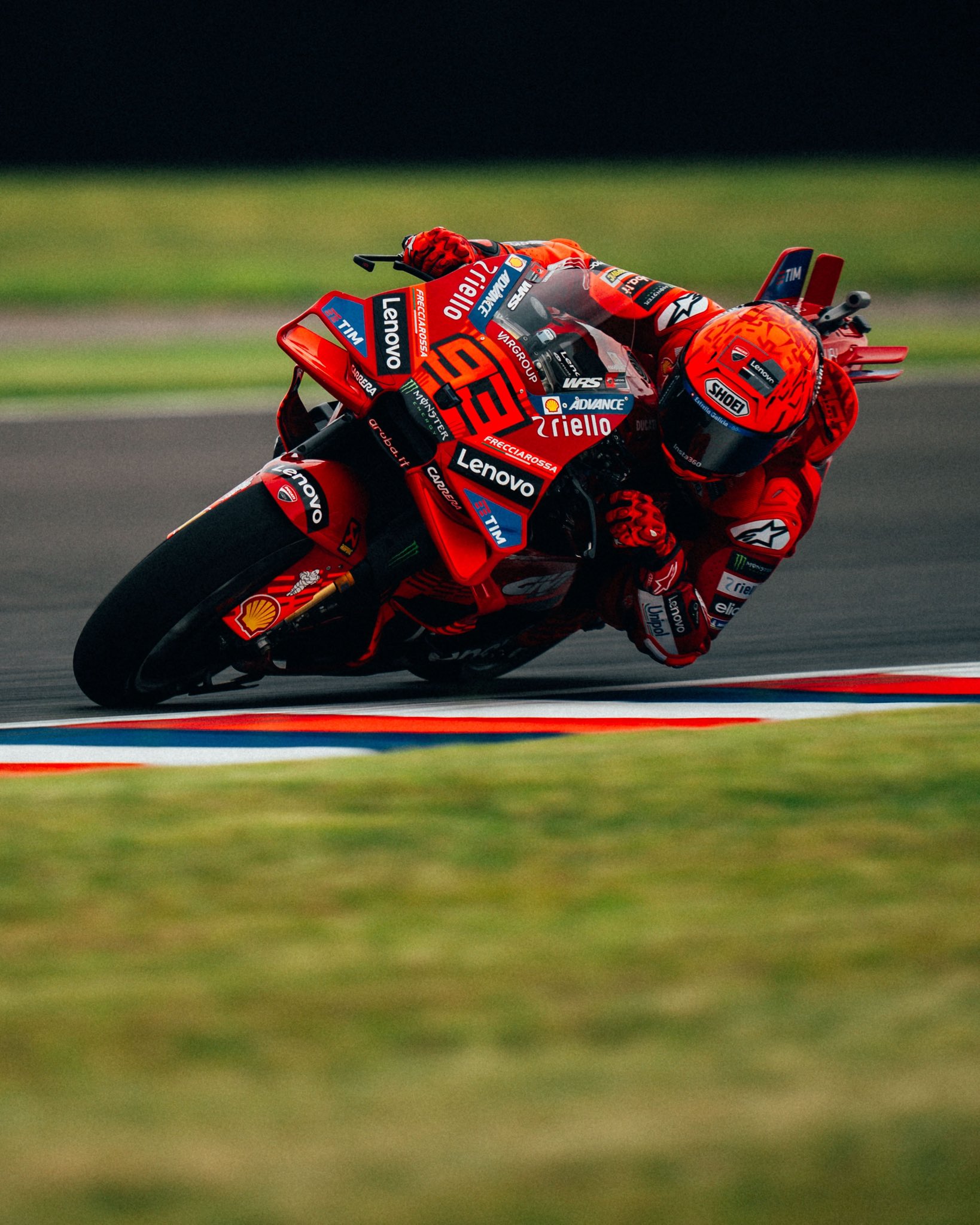
Hybrid systems and energy recovery were designed to improve efficiency and add tactical depth, but the current implementation may be pushing variability too far. If cars can no longer maintain relatively predictable pace differences during racing conditions, Melon playground game drivers and teams may face scenarios where reactions become extremely difficult, increasing the possibility of severe accidents.