
Reprogramming the race: The role of software in Formula One

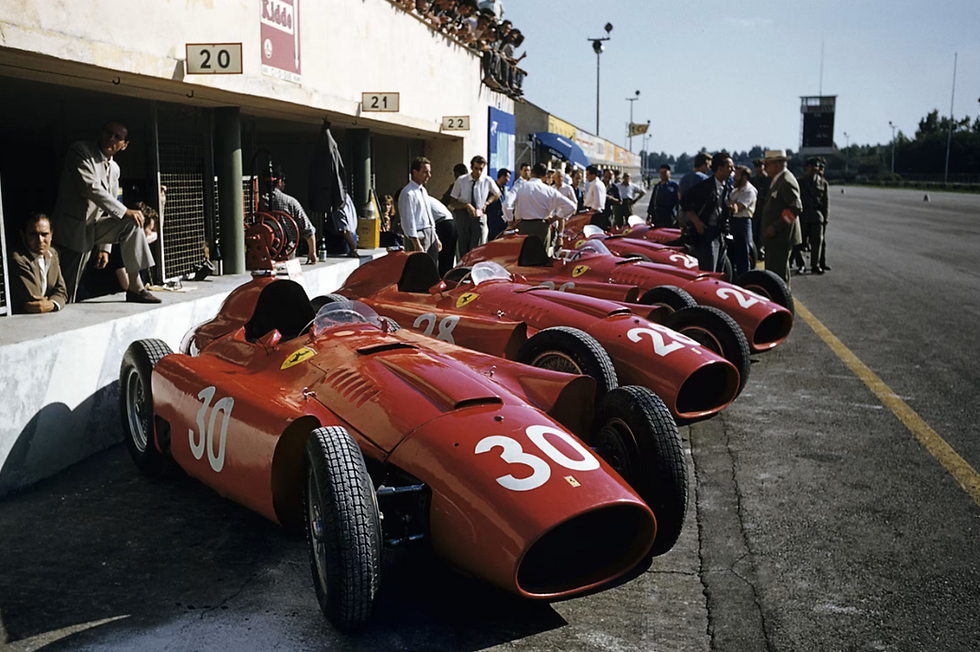
When considering the role of the car while defining race performance, it becomes apparent that hardware is undeniably important. Perhaps even one of the first components that comes to mind upon considering what defines race victory.
Its less considered counterpart, software, however, is just as important.
Software acts as a hidden ‘brain’ or a secret ‘engine’ behind the machine. It dictates strategy and informs decision-making in a way that defines performance and separates the races raced from those won.
Contemporary Formula One cars are no longer giant go-karts powered by massive engines. Today, drivers instead race complicated machines equipped with advanced aerodynamic systems, complex mechanical components, computers and power units. F1 no longer relies on mechanical power and raw bravery alone, but increasingly on advancing technological systems.
As a result, this shift away from mechanical simplicity has not only accelerated car performance, but also improved the safety element of high-performance racing.
Today’s cars resemble high-tech, computer-like speed machines that are powered by digital technologies, allowing a constant connection between the on-track driver and both their vehicle and their team operating off-track.
Computer Aided Design (CAD). Computational Fluid Dynamics (CFD). Live telemetry tracking. MATLAB Simulink. McLaren Applied Advanced Telemetry Linked Acquisition System (ATLAS). These are just some of the examples of the software technologies that power modern F1.
CAD and CFD are software engineering platforms used to design and virtually test various components of auto designs long before the car even reaches the track.
CAD allows engineers to digitally assemble individual car components, enabling quick visual modelling of different designs. Whereas CFD compliments this by providing a way to virtually simulate how such designs will interact with air and fluid flow.
These softwares form a backbone that is critical for predicting how a car interacts with natural forces whilst reducing the time taken to develop designs and the need for physical testing.

If you have watched F1: The Movie, you may recall scenes featuring technical director Kate McKenna working in a development lab, where, surrounded by aerodynamic models and simulations, she’s trialing upgrades to give the APEX GP car a new technical edge.
This environment closely mirrors real F1 engineering departments where CAD modelling and CFD simulations are used to refine car features for enhancing performance.
Once the digital engineering is complete and race weekends roll around, the role of software isn’t minimised, rather becomes more significant.
Now on track, an F1 car is equipped with over 300 sensors that continuously generate large quantities of telemetric data. Then, telemetric software such as ATLAS are used to capture this data, distribute it and analyse it. This allows engineers to monitor the car’s performance in real-time.
Further coding software platforms such as MATLAB are then used to process the data into usable formats that support modelling systems and support race strategies.
Part of this occurs at the ‘Pit Wall’ – a team’s on-site command centre where split-second decisions inform race-defining decisions. These systems therefore facilitate communication between the driver and race engineers, fuelling a unit that almost becomes an extension of the car itself.

It is undeniable that the driver in the seat remains imperative when determining race outcomes, however F1 has rapidly evolved from a driver-centered sport, becoming characterised by its unique trait - in F1, teamwork drives the vehicle as much as the driver in the seat.
Teamwork extends beyond communication alone. In F1, it is defined by networks of data analytics, predictive modelling and simulations in response to a constant drive for technological innovation both on the track and off of it.
In such a dynamic sport, it becomes a point of curiosity, as software and hardware continue to evolve, how will technology continue to shape racing?


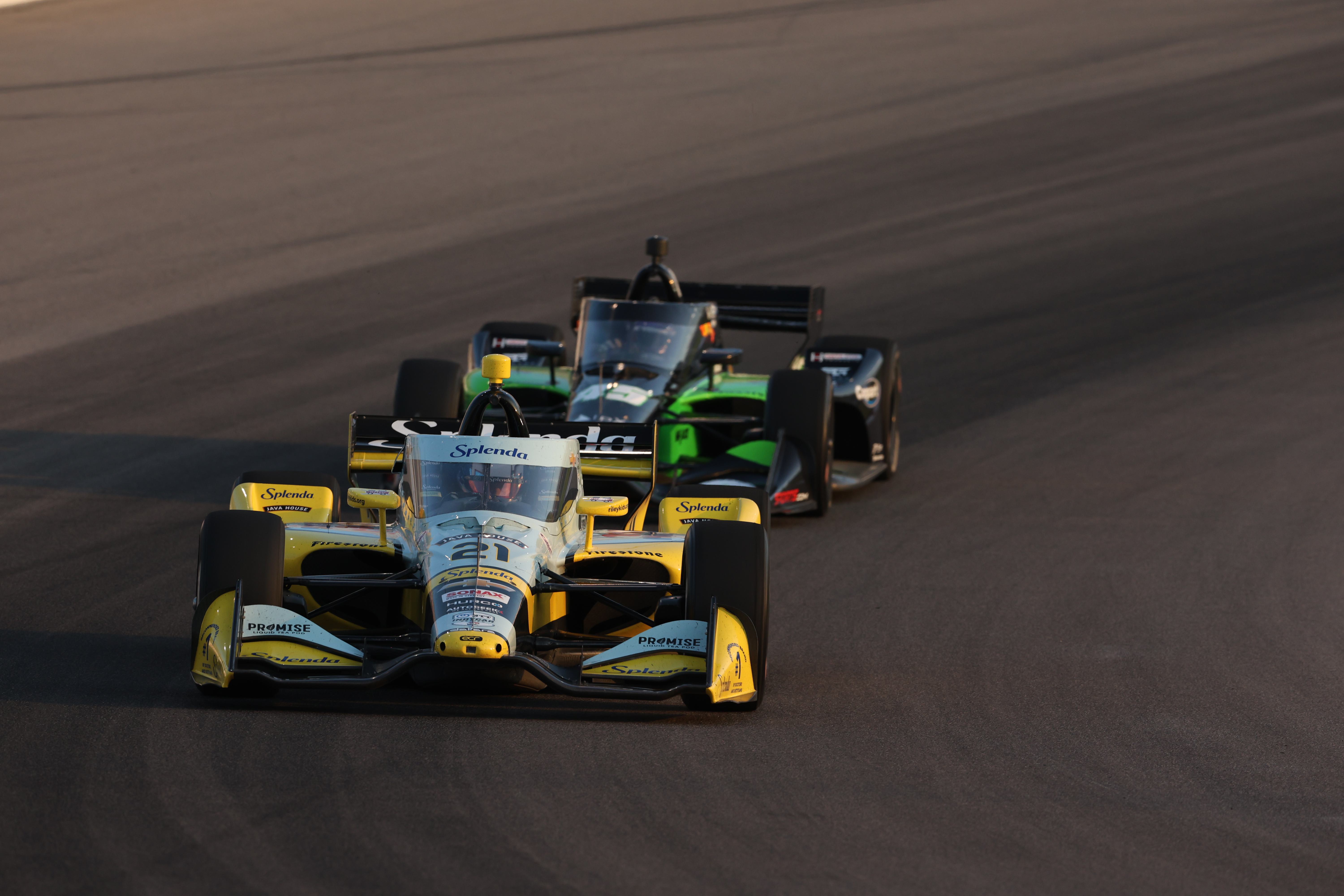


What struck me most is how software has become just as important as hardware in industries where performance really matters. Companies can now use data, automation and custom software to solve problems that would have been impossible to handle manually. I’ve seen the same shift in business, where firms like Luminary Brands help companies turn technology into practical tools rather than treating software as an afterthought.